
Save
Special Ed
reports
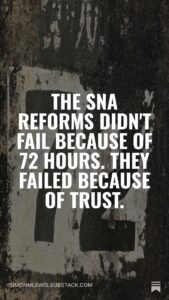
SNA contract issues
This press release from 2018 is well worth reading
Inappropriate SNA tasks are degrading
This press release from 2022 is well worth reading
Fórsa members reject proposal in ballot
Fórsa said the outcome represents a clear rejection of the Government’s proposed plan.
RECOMMENDations
1️⃣ Make responsibilities clear
Publish who is responsible for eligibility, allocations, support, reviews and complaints. Every significant decision should have an identifiable owner and a clear route for challenge.
2️⃣ Review placements with children and families
Explain why a placement was chosen, what support it should provide and how the child’s views informed the decision. Review whether it continues to meet their needs, particularly at transitions.
3️⃣ Measure children’s experiences and progress
Evaluate learning, participation, belonging, wellbeing and attendance across mainstream classes, special classes and special schools. Judge provision by its quality as well as the number of places available.
4️⃣ Independently audit SET allocations
Test whether the allocation model captures the full range of teaching needs, including those poorly reflected in literacy and numeracy results. Publish findings on allocations, reviews and the support actually delivered.
5️⃣ Explain support decisions to families
Make it clear how schools identify needs, prioritise support and review progress. Help families distinguish school-level decisions from the limits of the school’s allocation.
6️⃣ Create a supported pathway into specialist teaching
Establish a transparent approach to SET readiness combining relevant qualifications, assessed practice, mentoring and continuing professional learning. Give teachers protected time and support to develop their expertise.
7️⃣ Develop a professional framework for SNAs
Clarify duties, training, supervision, progression and participation in decisions. Independently evaluate the additional seventy-two hours before deciding whether to retain, redesign or abolish them.
8️⃣ Coordinate education and specialist services
Provide clear routes to timely therapeutic, psychological and other specialist support. Define agency responsibilities so teachers and SNAs are supported without being expected to replace unavailable specialists.
9️⃣ Fund the sharing of expertise
Pilot structured collaboration between mainstream and specialist settings through mentoring, visits and joint problem-solving. Provide staffing and protected time, and evaluate benefits for pupils in both settings.
🔟 Test reforms before expanding them
Publish proposals, resource requirements and safeguards, involving children, families, disabled people and staff in their development. Protect continuity of support and use implementation evidence to improve reforms before wider rollout.
Missing Links
1️⃣ Children’s own voices
Adult accounts dominate the inquiry, while direct pupil testimony remains limited. We need accessible ways to understand children’s experiences, particularly those with substantial communication or support needs.
2️⃣ Placement and long-term outcomes
We lack sufficient comparable evidence about how children fare over time in different settings. Research should examine learning, belonging and wellbeing while accounting for differences in needs and resources.
3️⃣ From identified needs to delivered support
We cannot consistently trace what happens between identifying a child’s needs and providing effective support. Shared SET arrangements, staffing gaps and changing needs during the school year require closer examination.
4️⃣ Professional preparation and effective practice
We lack a clear picture of staff preparation and how it translates into everyday practice. We need evidence showing which training, mentoring and professional learning improve children’s education.
5️⃣ Responsibility and meaningful accountability
Formal responsibilities do not tell us whether problems are resolved effectively. We need to understand who can act when support falls short, whether reviews deliver timely remedies and what happens when they do not.
5 Big Questions
1️⃣ What should every child be able to expect from education?
Regardless of diagnosis, location or placement, what learning opportunities, support and participation should the system guarantee? How would we know those expectations were being met?
2️⃣ What does meaningful inclusion look like in an ordinary school day?
Beyond being physically present, is the child learning, participating, building relationships and experiencing belonging? How should their own experience shape our judgement?
3️⃣ How much parental choice is shaped by missing alternatives?
Would families make the same placement decisions if suitable, adequately supported options were genuinely available? How can we distinguish preference from necessity?
4️⃣ What would we retain if we designed special education today?
Which roles, rules and funding arrangements have demonstrated their value? Which continue because they are familiar rather than because they meet children’s needs?
5️⃣ Who must act when recognised needs remain unmet?
When promised support does not arrive, who is responsible for putting it right? What remedy should the child receive, and how quickly?